
Bulk Ammo Buying Guide: How to Save on 9mm, 5.56, and .22 LR Without Sacrificing Quality
Running out of rounds mid-session kills your momentum and your wallet. Bulk ammo is the straightforward fix—buying hundreds or thousands of cartridges in one sealed Ammunition for Sale case, so your range bag stays full and your per-shot cost drops hard. Every box feeds the same way as the expensive stuff, cycling reliably through your mags without extra cleaning or tuning. Load it, shoot it, restock it—that’s the whole system, and it just works.
Why Buying Ammunition by the Case Saves You More Than Money
Buying bulk ammo by the case does more than just protect your wallet—it protects your shooting routine. When you grab a case, you lock in one price per round, meaning you aren’t chasing fluctuating costs every trip to the store. That stability lets you budget for actual range time instead of worrying about per-box sticker shock. More importantly, having hundreds of rounds on hand means you never have to ration practice sessions or stop mid-training to run out for supplies. You can shoot freely, test different loads, and build muscle memory without the nagging thought that you’re burning through a scarce resource. Plus, fewer trips to the shop saves fuel and time, which adds up quickly. Ultimately, buying ammunition by the case buys you consistency, convenience, and the freedom to focus on your skills rather than your supply. That’s value beyond the dollar amount.
How Per-Round Pricing Drops When You Purchase in Larger Quantities

The real savings in bulk ammo emerge the moment you move from a box of fifty to a full case. Retailers bake in higher per-unit margins on small packages to cover handling and shelf restocking, but a 500- or 1,000-round case drastically cuts those fixed costs. Per-round pricing drops by 20–40% simply because you’re absorbing the freight and processing fees once, not twenty times. A 9mm round that costs $0.30 individually might fall to $0.22 when you commit to a case, and that gap widens on premium defensive loads or precision rifle cartridges. The discount isn’t linear—it’s steepest at the first case threshold, then tapers, so one large order beats two mid-sized ones every time. You’re paying for the projectile itself, not the logistics of moving it repeatedly.
Per-round pricing plummets with case purchases because fixed handling and shipping costs spread across hundreds of rounds, not a handful.
The Hidden Costs of Frequent Small-Box Purchases You Avoid
Each trip for a small box of ammo burns fuel and https://specialtysportsandsupplyltd.com/ time that you rarely calculate, costs which vanish when you buy bulk ammo. You also pay a hidden premium per round because small-box pricing never reflects the volume discounts of a case. More critically, every separate purchase exposes you to price creep—that fifty-cent box becomes sixty, then seventy—while a single case locks in today’s rate. Finally, the mental cost of tracking inventory across multiple partial boxes disappears; you always know your true round count, avoiding the waste of buying more when you already have enough scattered in drawers. Frequent small-box purchases avoid none of these cumulative penalties.
How Bulk Buying Reduces Your Trips to the Gun Store
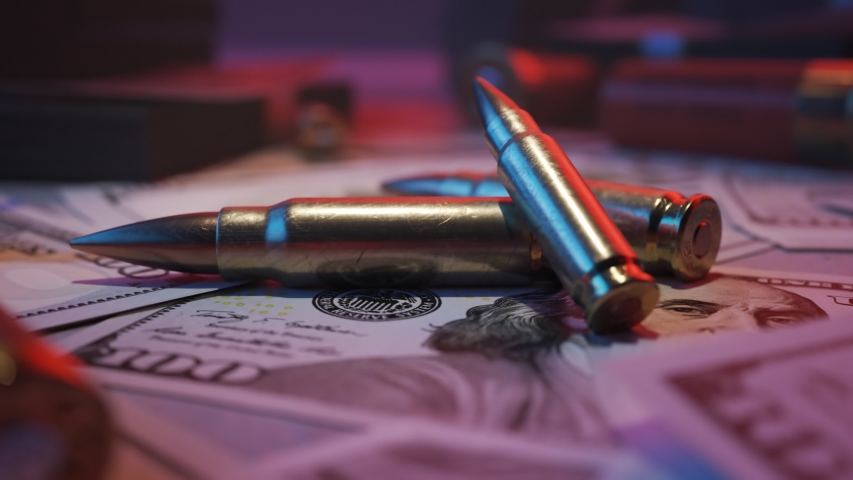
Every time you grab a single box of ammo, you’re burning a trip that eats your afternoon. Buying by the case means you’re not circling the parking lot every week just to restock for range day. Instead, you load up once—maybe every couple of months—and your only trip is the one that actually 6.5×55 Swedish Ammo for Sale matters. To make this work:
- Keep a rough count of rounds you shoot per month.
- Multiply that by three, then buy that many cases upfront.
- Store them in a dry spot, and you’re done worrying for a while.
That means fewer gas stops, less small talk with the guy behind the counter, and zero “I’ll just grab one more box” detours. Bulk ammo case purchases turn a recurring errand into a rare, planned event—leaving you more time for actual shooting, not shopping.
What to Look for in a Bulk Ammunition Order Before You Click Checkout
Before you click checkout on bulk ammo, verify the **round count matches the price per box**—bulk deals often hide per-unit costs, so calculate cents per round to confirm the savings. Check the casing material (brass vs. steel) and primer type, as these affect reliability and barrel wear; avoid mixed headstamps, which signal inconsistent quality. Confirm the lot number is listed—newer lots ensure uniform powder and pressure. Inspect the shipping terms: ammo must ship ground, and hazmat fees can inflate the total, so factor that into the final cost. Also, ensure the caliber matches your firearm’s spec exactly, including bullet weight—a 115-grain vs. 124-grain 9mm changes point of impact. Q: What’s the single biggest mistake with bulk orders? A: Ignoring the shelf-life date—old stock degrades, so demand a manufacture date within 12 months. If the deal lacks these specifics, abandon the cart.
Matching Bullet Grain Weight and Casing Material to Your Firearm
Before .35 Remington Ammo for Sale committing to a bulk order, verify that the **bullet grain weight matches your firearm’s intended ballistic profile**. A 55-grain load in .223 Remington cycles best in a 1:9 twist, while a 77-grain match bullet requires a 1:7 twist for stabilization—ignoring this causes keyholing. For casing material, brass offers resilient resizing and consistent chamber sealing, whereas steel casings, with their harder alloy, may stress extractors and produce inconsistent neck tension over long sessions. Aluminum cases, though lightweight, expand more aggressively, risking stuck cases in tight chambers. Always cross-reference your barrel’s twist rate and chamber tolerances against the batch’s grain weight and casing composition, as a mismatch at bulk quantities means hundreds of unreliable rounds you cannot easily return.
How to Verify Seal Integrity and Packaging for Long-Term Storage
Before you commit to that bulk ammo purchase, give the packaging a hard look—your future self will thank you. Check that factory ammo arrives in sealed, moisture-proof cans or heavy Mylar bags with desiccant packs; any tear or loose crimp invites humidity straight in. For loose rounds, verify the ammo box has a snug lid and no crushed corners. A quick shake test helps: if you hear excessive rattling, the rounds might be shifting and wearing their sealant. Finally, inspect the primer and case mouth for a visible ring of sealant—that’s your clue the manufacturer took long-term storage protection seriously. If the seal’s broken, don’t gamble on it.
Reading Lot Numbers to Ensure Consistency Across Your Entire Supply
Before you click checkout, verify that every box shares the same lot number, because a single order mixed from multiple production runs can deliver noticeably different velocities and point-of-impact shifts. **Reading lot numbers to ensure consistency across your entire supply** protects your zero and your data. Ask the seller to 6.5x57mm Mauser Ammo for Sale confirm the lot before shipping, and reject any quote that combines batches for price savings. For precision work, this matters more than brand or bullet weight.
- Compare the stamped lot on each case or box; mismatched digits mean different powder charges or case dimensions.
- Request the lot number in writing from the retailer before payment, so you have recourse if they substitute.
- Store your bulk ammo by lot, and test each new lot for grouping before relying on it for matches or defense.
How to Store Large Quantities of Cartridges Without Degrading Performance
To store bulk ammo without degrading performance, prioritize a **cool, stable environment** between 55–70°F, as extreme heat accelerates powder breakdown and can spike pressure. Keep cartridges in sealed, military-grade ammo cans with desiccant packs, ensuring the relative humidity stays below 30% to prevent primer corrosion and case tarnishing. Never store loose rounds; use original trays or reloading blocks to stop bullet setback and case denting from shifting weight. Elevate containers off concrete floors to avoid moisture wicking, and rotate your oldest stock to the front for first-use. Avoid temperature swings—condensation inside sealed cans is the silent killer of bulk ammo. By controlling these variables, your entire reserve maintains consistent ballistics and reliable ignition for years, making **long-term bulk ammo storage** both safe and preservation-focused.
Choosing Between Ammo Cans, Desiccant Packs, and Humidity Control
For bulk ammo, the choice between ammo cans, desiccant packs, and humidity control hinges on your storage environment. Rigid, sealed ammo cans, especially metal ones with rubber gaskets, create a near-hermetic barrier against moisture, making them the foundational protection for large quantities. However, a sealed can traps the air present at closure, so adding desiccant packs is critical to absorb that residual humidity and prevent condensation during temperature swings. For optimal long-term stability, combine these with active humidity control—like rechargeable desiccant or a dry-rod system—inside the can to maintain a consistent, low-humidity microclimate. This layered approach, prioritizing moisture-proof bulk ammo storage, outperforms any single method, ensuring primers and powder stay reliable for decades.
How to Rotate Your Stockpile So Old Rounds Get Used First
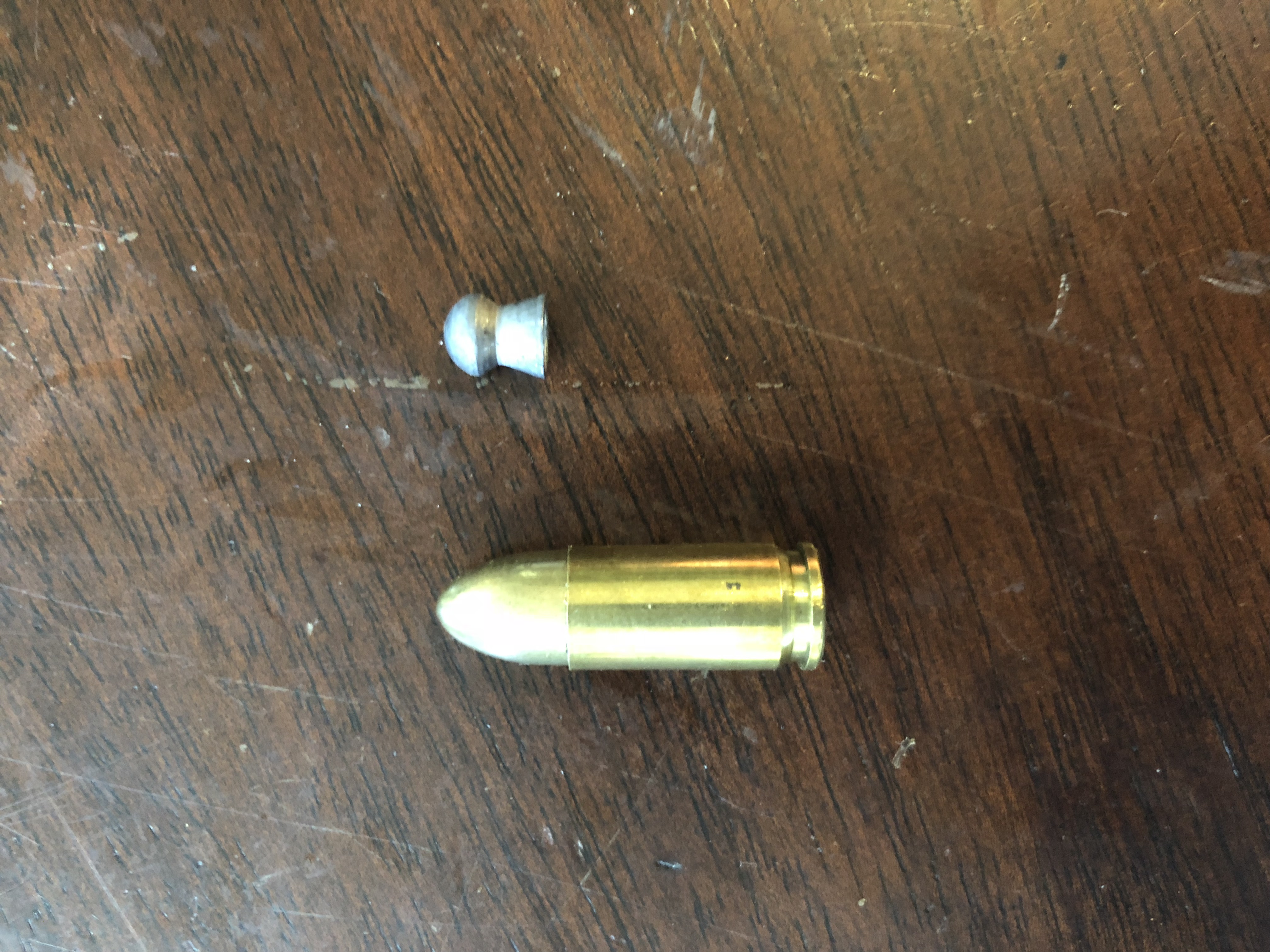
To ensure old rounds get used first, adopt a strict first-in, first-out (FIFO) rotation system the moment bulk ammo arrives. Physically mark each new case with the purchase date using a permanent marker, then place it behind existing stock on your shelf—never in front. When you head to the range, pull only from the front row, breaking down the oldest boxes first. For stacked .338 Lapua Ammo for Sale cans, add a simple index card inside each lid noting the fill date; after every range trip, shift the newest cans to the back. If you buy in batches, consolidate partial boxes into labeled “shoot-now” containers. This prevents propellant breakdown and primer degradation from extended storage, keeping your bulk investment consistently reliable.
Ideal Temperature and Light Conditions for Keeping Powder and Primers Fresh
For bulk ammo longevity, maintain a **stable temperature between 55°F and 75°F** to prevent propellant degradation and primer compound separation; avoid attics or garages where daily swings exceed 20°F. Keep all stored cartridges in total darkness, as ultraviolet light accelerates nitrocellulose breakdown in powder and can destabilize lead styphnate in primers. Use opaque, sealed ammo cans inside a closet or basement, never near windows. If using a safe, position it away from exterior walls to minimize thermal transfer. A consistent cool, dark environment preserves burn rates and ignition reliability for decades.
Smart Ways to Use a Large Ammunition Supply for Practice and Training
Buying bulk ammo is your golden ticket to actually building skill, not just burning cash. Split that massive supply into dedicated buckets—one for high-volume drills like trigger control and drawing, where you can burn through hundreds of rounds without flinching, and another for precision work at distance, saving your match-grade or heavier loads for slow, deliberate shots. Rotate through your stockpile by lot number to keep your zero consistent and spot any bad batches early, rather than discovering an issue mid-competition. Use the sheer quantity to run stress tests—magazine dump strings, malfunction drills, and failure-to-feed practice—since bulk supply means you can afford to break things and learn from it. Ironically, the best way to make a giant pile of ammo last longer is to shoot it faster in structured rounds, because repetition beats sporadic plinking. Finally, reserve a small, separate stash for your carry ammo and never mix it with practice rounds.
Setting Up a Per-Session Budget to Extend Your Reserve Over Months
To make your bulk ammo purchase last for months, convert your total inventory into a per-session ammunition budget before you ever hit the range. Divide your round count by the number of planned monthly outings, then subtract a 10–15% reserve for zeroing or malfunction drills. Track each session’s expenditure in a simple log, and adjust the budget downward if you exceed it two consecutive times. This method prevents the “dip and deplete” cycle where a few heavy practice days wipe out your strategic buffer.
- Allocate a fixed round count per range visit, not per hour, to avoid speed-driven waste.
- Set a monthly cap (e.g., 300 rounds) and re-budget quarterly based on actual usage.
- Keep a separate .32 Win Special Ammo for Sale 50-round “emergency only” pouch that you never tap for normal practice.
Separating Rounds for Zeroing, Drills, and Plinking to Avoid Waste
When you buy in bulk, the smartest way to avoid waste is to separate rounds by their intended purpose. Reserve your most consistent, match-grade ammo strictly for zeroing your optic, ensuring your rifle’s point of impact is perfectly true before you burn through cheaper stock. For timed drills and malfunction practice, dedicate a separate can of standard FMJ, accepting that these sessions are about repetition, not precision. Plinking and casual mag-dumps should use only your oldest or least accurate rounds, saving the good stuff for when it truly counts. By doing this, you never waste a premium cartridge on a steel gong at 15 yards. This simple sorting method guarantees every box of bulk ammo serves its highest-value role.
How to Track Your Round Count to Know When to Reorder
To avoid dry-fire surprises with your bulk ammo, you need a **round-count tracking system** that predicts reorders. Start by logging every training session in a simple spreadsheet or shooting app, noting the exact .32 ACP Ammo for Sale number of rounds fired per caliber. Then, divide your remaining inventory by your average weekly consumption—this gives you a concrete reorder date. Set a hard trigger point, such as ordering when you hit 20% of your initial bulk purchase, to account for shipping delays. For precision, follow this sequence:
- Record each range trip’s round count immediately.
- Calculate your 4-week average usage.
- Subtract that from your current stock weekly.
- Place your next bulk order the moment your reserve dips below two training sessions’ worth.
This habit turns bulk ammo from a passive stockpile into a continuously managed resource, ensuring you never pause practice.
Common Questions About Buying Shooting Supplies in Volume
When you start buying bulk ammo, the first question that surfaces is usually about storage—how much is too much to keep in a garage that already smells of oil and old cardboard. I learned that stacking sealed cans on a sturdy shelf, away from direct heat, prevents the primers from degrading, but the real worry is moisture, so silica packs became my ritual. Another common query is whether mixing lot numbers matters; it does for accuracy, so I label every case with its batch. Common questions about buying shooting supplies in volume always circle back to cost-per-round versus upfront pain, and I’ve found that splitting a massive order with two friends eases the sting.
The key insight is that bulk ammo only saves you money if you actually shoot it before the next sale tempts you.
Finally, people ask if they should buy loose or boxed—loose is cheaper but harder to inventory, so I stick with boxes for quick counts.
Is It Cheaper to Get Reloaded Rounds or New Factory Ammo in Bulk?
When comparing costs for bulk ammunition, reloaded rounds are almost always cheaper than new factory ammo, often by 20–40% per box, depending on the caliber and component prices. However, that savings comes with trade-offs: commercial reloads use once-fired brass, which may have shorter case life, and their powder charges can vary more than factory loads, affecting consistency. Factory bulk ammo costs more upfront but offers uniform pressure, reliable headspace, and full manufacturer warranty—critical for high-volume training where a squib or over-pressure round wastes time. For precision work or defensive stockpiles, factory is worth the premium; for plinking and practice, reloads stretch your budget significantly.
Q: Is it cheaper to buy reloaded rounds in bulk than factory ammo?
A: Yes, generally 20–40% cheaper per round, but you sacrifice batch consistency and case quality, so factor in potential failures before choosing reloads for critical use.
How Many Rounds Count as a True Bulk Order for Handguns and Rifles?
For handguns, a true 6.5x57R Ammo for Sale bulk order typically starts at 500 rounds, as this covers several range sessions or a basic defensive stockpile without overcommitting to a single lot. For rifles, the threshold is higher—1,000 rounds is the common baseline, since rifles burn through ammunition faster during training or competition, and shipping costs per round drop meaningfully at that volume. Casual shooters might buy 100–200 rounds at a time, but that is considered retail, not bulk. Bulk pricing tiers often kick in at 500 for pistol calibers and 1,000 for rifle calibers, with further discounts at 2,000+ rounds for either. Your actual breakpoint depends on your monthly consumption rate, not just a fixed number.
In practice, a true bulk order means 500+ rounds for handguns and 1,000+ rounds for rifles, with deeper per-round savings emerging at 2,000 rounds or more.
Can You Mix Different Calibers in One Case Order to Save on Shipping?
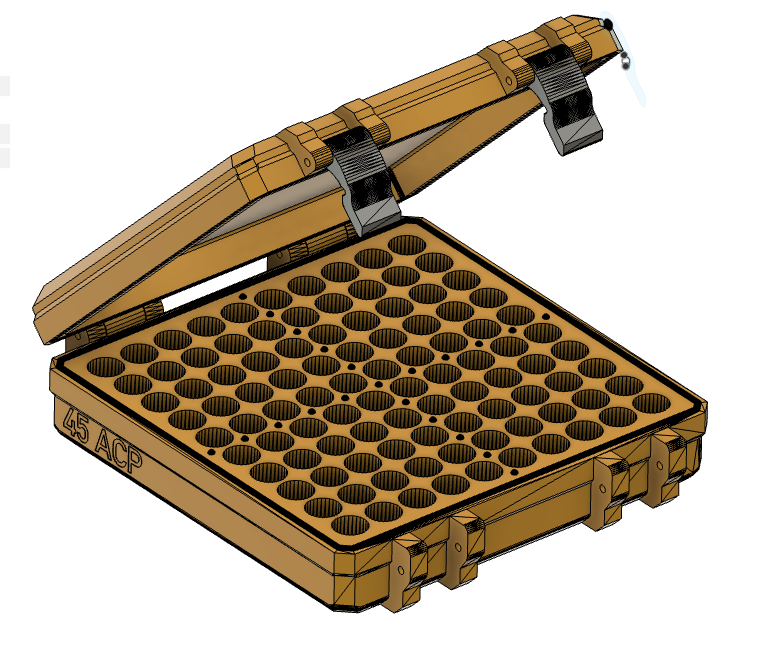
Yes, you can often mix different calibers in one case order to save on shipping, but it depends on the retailer’s bulk ammo policies. Some sellers allow you to build a mixed case—for example, 500 rounds of 9mm and 500 rounds of .223—as long as the total weight or round count meets their bulk threshold. However, others restrict case orders to a single caliber to streamline handling and inventory, so mixing might forfeit the discounted flat-rate freight. Before ordering, check the product page for “mixed caliber” 6.8 SPC Ammo for Sale options or contact support. If mixing is permitted, the shipment cost remains the same, making bulk ammo shipping optimization easier across your firearm collection.